

Mammal
a major group (class) of vertebrates that includes endothermic, milk-producing species. Three major groups of mammals are recognized: Monotremata (monotremes), Marsupialia (marsupials), and Placentalia (placentals). Most living mammals are placental mammals.Model organism
a species that has been widely studied; for example, mice, rats, and fruit flies.Milk and DNA

Mammals are one type of vertebrate. Amphibians, birds, fishes, and reptiles are also vertebrates, but they are not mammals. Mammals are unique because they are covered in fur and produce milk to feed their babies. Overall, there are at least 5,500 different mammalian species. So far, 108 species have had their whole genomes sequenced.
These include many species such as whales, dolphins, squirrels, elephants, camels, cats, and dogs.

More mammal species have been sequenced than any other vertebrate group. This may be because humans are mammals, and by default, we may tend to like other mammals. We can start to learn about our place on the tree of life by looking at mammalian genetics.
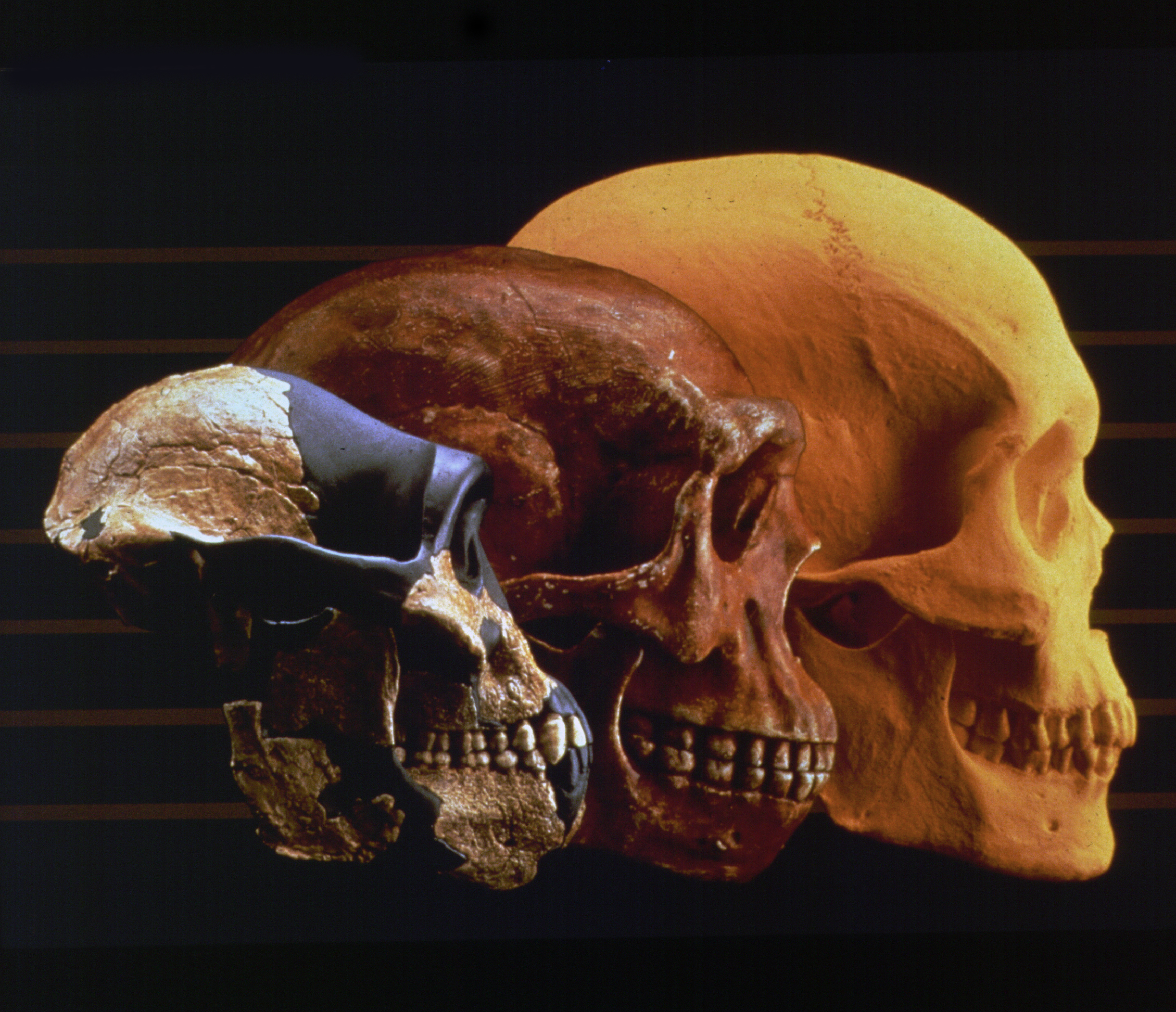
Why did the size of our brains change over time? Answer >>
Be Part of
Ask An Anthropologist
By volunteering, or simply sending us feedback on the site. Scientists, teachers, writers, illustrators, and translators are all important to the program. If you are interested in helping with the website we have a volunteers page to get the process started.


