
DNA
deoxyribonucleic acid; the molecule which contains genetic instructions for lifePhenotype
observable traits of an individual.Mammal
a major group (class) of vertebrates that includes endothermic, milk-producing species. Three major groups of mammals are recognized: Monotremata (monotremes), Marsupialia (marsupials), and Placentalia (placentals). Most living mammals are placental mammals.Gene expression
the process of a gene producing RNA or proteins; this process is regulated by epigenetic mechanisms.You are what you eat

Instead, this saying suggests that your diet affects your phenotype. This is pretty clear when it comes to food quantity—eating too much can lead to gaining weight, for example. However, the meaning of the saying is a little more subtle.
It suggests that diet is one environmental factor that influences the expression of your DNA. Particular expression patterns can produce specific phenotypes in you, your children, and even their children. Therefore, you should think about how what you eat affects your body.
Additionally, diet can drive the evolution of species. For example, thousands of years ago, certain groups of humans started to drink animal milk. Milk is an excellent source of nutrients and fats. Anyone who could digest milk as an adult had access to these nutrients and fats. This resulted in the selection of lactose tolerance, or the ability to digest milk as adults.

Overall, diet has played and continues to play an influential role in our evolution as a species.
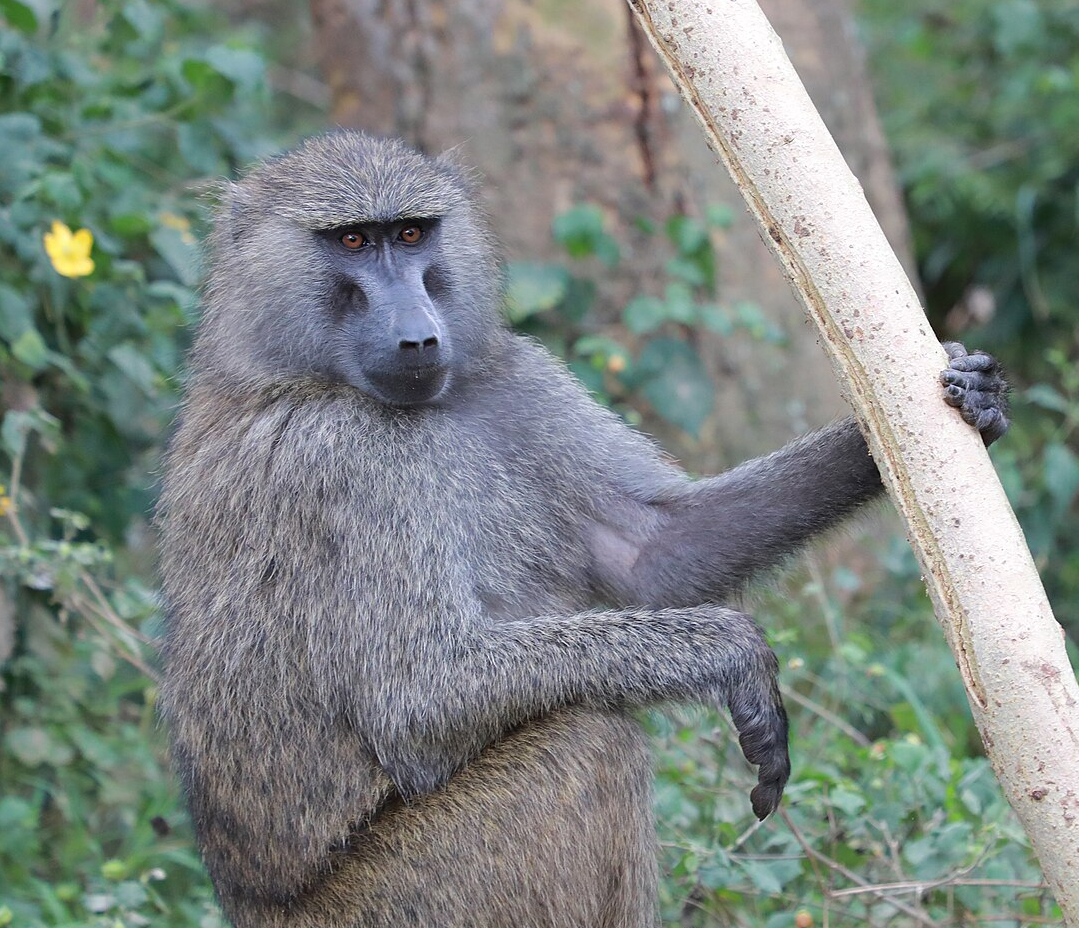
What can we learn about human development from chimpanzees and baboons? Answer >>
Be Part of
Ask An Anthropologist
By volunteering, or simply sending us feedback on the site. Scientists, teachers, writers, illustrators, and translators are all important to the program. If you are interested in helping with the website we have a volunteers page to get the process started.


